Recently, there was a growing awareness in our country about the importance of Himalayan nettle (Girardinia diversifolia) because it is found to be a sustainable source of
Contents12
- Aanti-malarial drug
- Bbiodiesel
- Cpulp for paper industry
- Dtextile fibre
Show answer
Answer: (D) textile fibre
The correct answer is (D) — textile fibre.
Himalayan nettle (Girardinia diversifolia) is a fibre-yielding plant that grows abundantly in the Himalayan region.
Its fibres can be used to make textiles, providing a sustainable livelihood for people in remote mountain villages.
The plant grows naturally without pesticides or much care, making it an eco-friendly source of fibre.
Tip: Himalayan nettle = natural textile fibre from the mountains.
Think of it as the Himalayan version of cotton or jute.
Himalayan nettle provides natural textile fibre that can support livelihoods in remote mountain villages without requiring pesticides or intensive cultivation.
Around 2018-2019, there were increased efforts to promote sustainable textile alternatives and support mountain communities through natural fibre production, making this plant relevant for economic and environmental reasons.
Himalayan Nettle (Girardinia diversifolia)
Environment Himalayan nettle Girardinia diversifolia textile fibre
Himalayan Nettle: Sustainable Textile Fiber from Mountains
Girardinia diversifolia is the scientific name for Himalayan nettle
Primary use: textile fiber production — sustainable alternative to synthetic fibers
Grows naturally in Himalayan region without pesticides or intensive care
Provides sustainable livelihood for remote mountain communities
Himalayan nettle (Girardinia diversifolia) is a naturally occurring fiber-yielding plant found in the Himalayan region. Unlike cotton or synthetic fibers, it grows wild without requiring pesticides, fertilizers, or intensive agricultural practices, making it an eco-friendly textile source.
Key Properties
Natural habitat: Grows abundantly in Himalayan hills and mountains at moderate to high altitudes
Fiber quality: Produces strong, durable fibers suitable for textile manufacturing
Sustainability: Requires zero pesticides and minimal human intervention for growth
Economic potential: Provides income opportunities for remote mountain communities
Processing: Fibers extracted from stem can be spun into yarn and woven into fabric
Plant Identification
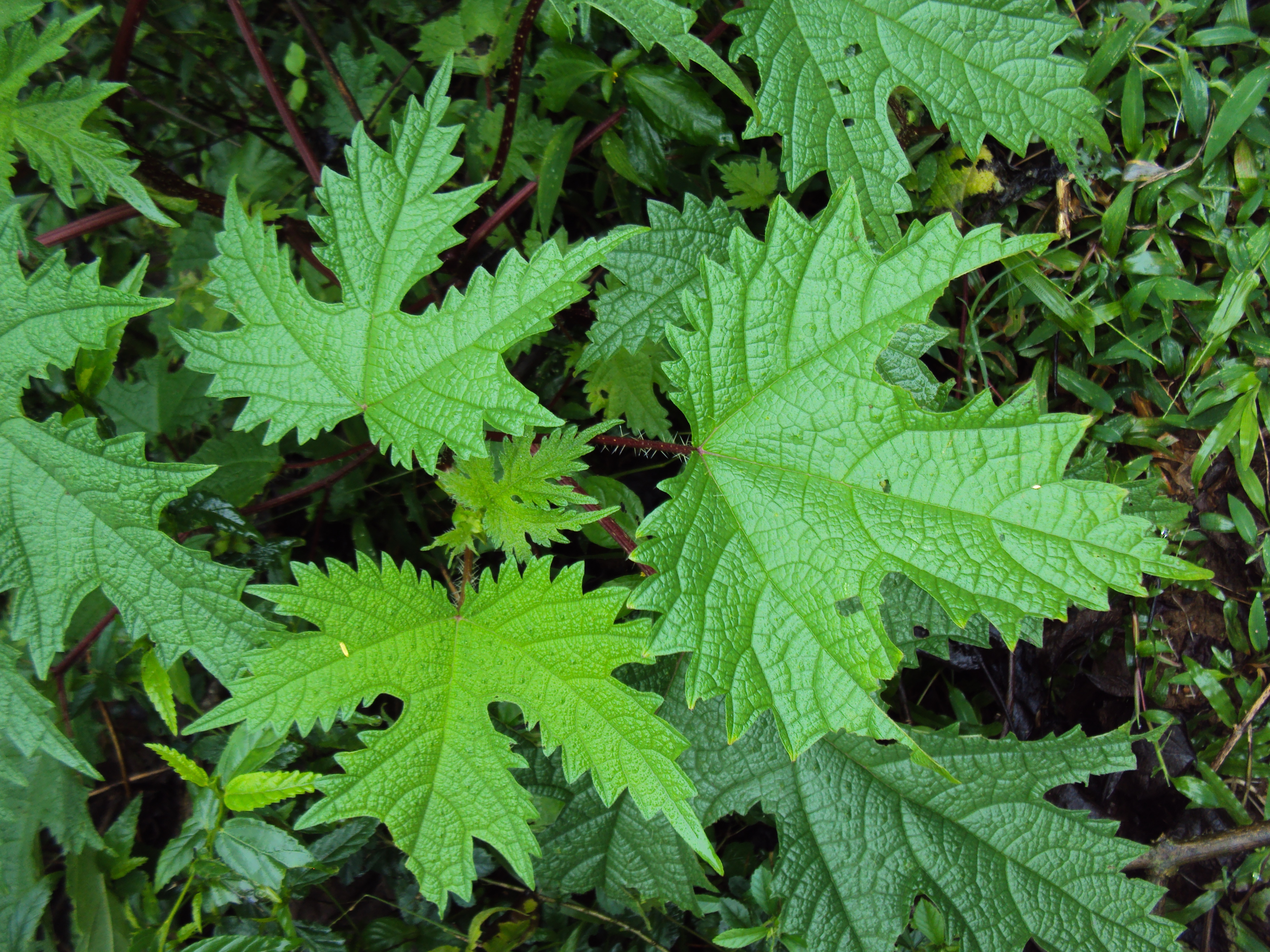
Source: Earth.com — Girardinia Diversifolia -- Earthpedia plant · earthpedia.earth.com
Trap: Confusing Himalayan nettle with medicinal plants — it's primarily a fiber source, not pharmaceutical
Trap: Mixing up with jute or hemp — nettle is specifically from Himalayan region
Trap: Thinking it's used for paper pulp — the question tests textile fiber application
Natural Textile Fibers
Environment textile fibre
Natural Textile Fibers: Plant-Based Alternatives
Natural fibers come from plants, animals, or minerals — more sustainable than synthetics
Major plant fibers: cotton, jute, flax, hemp, nettle — each with specific properties
Environmental advantage: biodegradable and require less chemical processing
Major Natural Textile Fibers
Fiber | Source Plant | Primary Region | Key Characteristic |
|---|---|---|---|
Cotton | Gossypium species | India, China, USA | Soft, absorbent, most common |
Jute | Corchorus species | Bengal (India, Bangladesh) | Strong, rough, used for sacks |
Flax (Linen) | Linum usitatissimum | Europe, Egypt | Fine, smooth, luxury fabric |
Hemp | Cannabis sativa | China, Europe | Very strong, durable |
Nettle | Girardinia diversifolia | Himalayan region | Wild-growing, eco-friendly |
Sustainability Benefits
Biodegradable: Natural fibers decompose completely, unlike synthetic polyester or nylon
Lower carbon footprint: Plant fibers absorb CO₂ during growth, reducing net emissions
Renewable resource: Can be regrown annually or perennially without depleting resources
Reduced chemical dependency: Many natural fibers require fewer synthetic chemicals for processing
Trap: Assuming all natural fibers are environmentally friendly — cotton requires heavy pesticide use
Trap: Confusing jute with hemp — jute is specifically from Bengal region, hemp is global
Trap: Thinking natural fibers are always superior to synthetics — each has specific applications
Fiber-Yielding Plants in India
Environment
India's Fiber-Yielding Plants: Traditional & Emerging Sources
India is world's largest producer of jute and second-largest producer of cotton
Traditional fibers: cotton, jute, coir — modern additions include bamboo, nettle
Fiber crops provide livelihood to millions of farmers across different agro-climatic zones
India's Major Fiber Sources
Fiber Type | Main Producing States | Global Rank | Primary Use |
|---|---|---|---|
Cotton | Gujarat, Maharashtra, Telangana | 2nd largest producer | Clothing, textiles |
Jute | West Bengal, Assam, Odisha | Largest producer | Sacks, carpet backing |
Coir | Kerala, Tamil Nadu, Karnataka | Largest producer | Ropes, mats, geotextiles |
Bamboo | Northeast states, Odisha | 2nd largest resource | Paper, textiles, handicrafts |
Nettle | Himalayan states | Emerging source | Sustainable textiles |
Regional Distribution
# Fiber Plants in India
## Northern Hills
- Himalayan Nettle
- Hemp
- Flax
## Western States
- Cotton (Gujarat)
- Cotton (Maharashtra)
- Kapok
## Eastern States
- Jute (West Bengal)
- Jute (Assam)
- Bamboo
## Southern States
- Coir (Kerala)
- Cotton (Tamil Nadu)
- BambooTrap: Confusing jute with cotton production states — jute is concentrated in Bengal, cotton in Gujarat
Trap: Forgetting India's #1 position in jute and #2 in cotton globally
Trap: Overlooking coir as a fiber — it's from coconut husk, and India dominates production
Sustainable Livelihood from Natural Resources
Environment sustainable source
Sustainable Livelihoods: Natural Resource-Based Economic Activities
Sustainable livelihood uses natural resources without depleting them for future generations
Examples: fiber extraction, bamboo crafts, medicinal plant cultivation, eco-tourism
Benefits: environmental conservation + economic development for rural communities
Sustainable livelihood refers to economic activities that meet present needs while preserving natural resources for future use. In mountain regions like the Himalayas, communities traditionally depend on forest products, medicinal plants, and wild fibers without overexploiting these resources.
Examples of Sustainable Natural Resource Use
Resource Type | Activity | Region/Example | Sustainability Factor |
|---|---|---|---|
Wild Fibers | Nettle fiber extraction | Himalayan villages | No cultivation needed |
Bamboo | Handicrafts, furniture | Northeast India | Fastest growing plant |
Medicinal Plants | Controlled harvesting | Western Ghats | Cultivation + wild collection |
Forest Products | Non-timber collection | Central India | Seasonal, rotational harvest |
Honey | Bee-keeping | Mountain regions | No resource depletion |
Key Principles
Renewable harvest: Taking only what naturally regenerates each season
No chemical inputs: Avoiding pesticides and fertilizers that damage ecosystems
Community ownership: Local people manage and benefit from their natural resources
Value addition: Processing raw materials locally to increase income per unit
Market linkages: Connecting rural producers to urban consumers of sustainable products
Trap: Confusing sustainable with organic — sustainable focuses on long-term resource availability
Trap: Thinking all traditional practices are sustainable — some may be resource-intensive
Trap: Assuming sustainable livelihoods are always low-income — proper value addition can be profitable