Which one of the following foreign travellers elaborately discussed about diamonds and diamond mines of India?
Contents13
- AFrancois Bernier
- BJean-Baptiste Tavernier
- CJean de Thevenot
- DAbbe Barthelemy Carre
Show answer
Answer: (B) Jean-Baptiste Tavernier
Correct Answer: (b) Jean-Baptiste Tavernier
Jean-Baptiste Tavernier was a 17th-century French gem merchant and traveller who visited India six times between 1631 and 1668.
He is famous for:
- Writing extensively about Indian diamond mines, particularly the Kollur mines in present-day Andhra Pradesh.
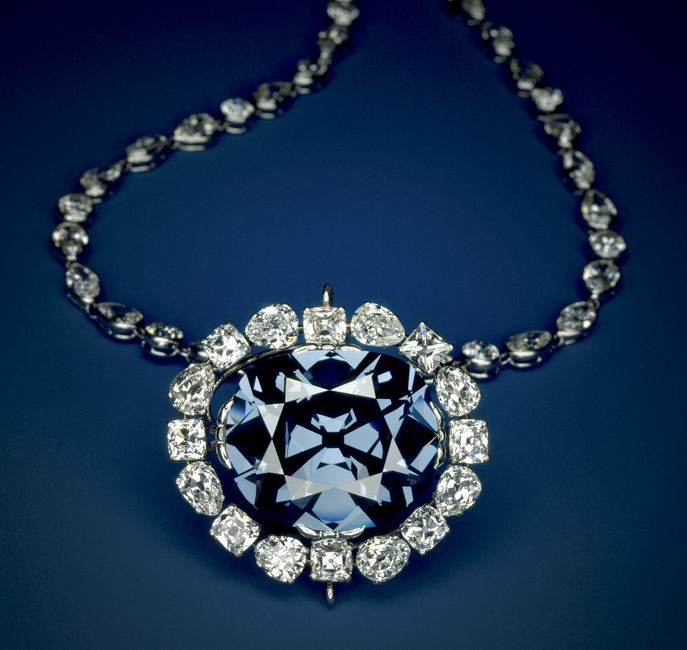
- Acquiring the famous 112-carat blue diamond that later became the legendary Hope Diamond.
- He sold this diamond to King Louis XIV of France.
- His detailed accounts of Indian gem trade and diamond mines are historically invaluable.
Why the other options are wrong:
- Francois Bernier — A French physician who described Mughal politics and administration, not diamonds.
- Jean de Thevenot — A French traveller who visited India but didn't focus on diamonds.
- Abbe Barthelemy Carre — A French traveller who described Indian customs but not diamond mines.
REMEMBER: Tavernier = diamonds and diamond mines of India.
He bought the Hope Diamond from Kollur mines (AP).
Think 'Tavernier = Trader of diamonds.'.
Tavernier was a French gem merchant who visited India six times and wrote detailed accounts of diamond mines, particularly the famous Kollur mines in present-day Andhra Pradesh.
He acquired the 112-carat blue diamond that became the Hope Diamond and sold it to King Louis XIV of France.
The question tests knowledge of specific European travelers' areas of expertise - Tavernier focused on gems and trade, while others like Bernier wrote about Mughal administration.
Jean-Baptiste Tavernier
Ancient And Medieval History Jean-Baptiste Tavernier diamonds diamond mines
Jean-Baptiste Tavernier: French Gem Merchant & Diamond Expert
Jean-Baptiste Tavernier was a 17th-century French gem merchant who visited India 6 times (1631-1668)
Famous for detailed accounts of Indian diamond mines, especially Kollur mines in Andhra Pradesh
Acquired the 112-carat blue diamond that became the legendary Hope Diamond
Sold the Hope Diamond to King Louis XIV of France
Diamond Trade Focus
Tavernier was primarily a gem merchant, not just a traveller. His commercial interest in precious stones led him to document India's diamond mines with exceptional detail. His accounts remain the most comprehensive historical source on India's 17th-century diamond trade.
Key Contributions
Provided detailed descriptions of Kollur diamond mines in present-day Andhra Pradesh
Documented the gem trade routes and market practices in Mughal India
His writings became primary sources for understanding India's historical diamond industry
Connected Indian diamond sources to European luxury markets for the first time
Left detailed accounts of mining techniques and quality assessment methods used in India
Hope Diamond Journey
Source: Biodiversity Heritage Library — From Jean-Baptiste Tavernier to the Smithsonian: Tracing the ... · blog.biodiversitylibrary.org
Question Context
This question tests knowledge of specific contributions by European travellers. While many wrote about Indian politics and society, only Tavernier elaborately discussed diamonds due to his commercial expertise as a gem merchant.
Memory aid: Tavernier = Trader of diamonds — both start with 'T'
Don't confuse with Bernier (politics) or Thevenot (general travel accounts)
Kollur mines were in Andhra Pradesh, not Rajasthan or Madhya Pradesh
He visited India 6 times, showing sustained commercial interest, not casual travel
Other French Travellers (17th Century)
Ancient And Medieval History Francois Bernier Jean de Thevenot Abbe Barthelemy Carre
French Travellers to Mughal India: Bernier, Thevenot & Carre
Francois Bernier — French physician who wrote about Mughal administration and politics
Jean de Thevenot — French traveller who documented Indian customs and society
Abbe Barthelemy Carre — French priest who wrote about religious practices and customs
Comparison of French Travellers
Traveller | Profession | Primary Focus | Key Contribution |
|---|---|---|---|
Francois Bernier | Physician | Mughal politics & administration | Detailed account of Aurangzeb's court |
Jean-Baptiste Tavernier | Gem merchant | Diamond mines & trade | Hope Diamond acquisition & mine documentation |
Jean de Thevenot | Traveller | Indian society & customs | General observations on Indian life |
Abbe Barthelemy Carre | Priest | Religious practices | Catholic missionary perspective on India |
Francois Bernier Details
Served as physician to Mughal nobles during Aurangzeb's reign
Wrote 'Travels in the Mogul Empire' — detailed political commentary
Provided insights into Mughal administration, court life, and succession wars
His accounts are key sources for understanding 17th-century Mughal decline
Bernier = Mughal politics, not diamonds or trade
Don't mix up Thevenot (customs) with Tavernier (diamonds) — both are 'T' names
Carre was a priest, so focused on religious aspects, not commercial activities
All were French and visited during 17th century — time period is same, but focus areas differ
Historical Indian Diamond Mines
Ancient And Medieval History diamond mines Kollur
India's Historical Diamond Mines & Global Trade
India was the world's only source of diamonds until 18th century
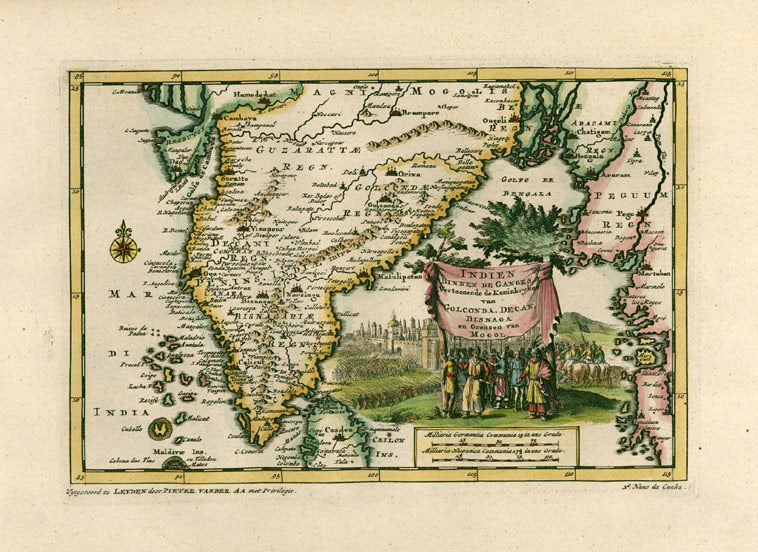
Kollur mines in Andhra Pradesh were the most famous, yielding the Hope Diamond
Golconda became synonymous with diamond wealth and quality
Indian diamonds reached European markets through Arab and Persian traders
Global Monopoly
Until diamonds were discovered in Brazil (18th century) and South Africa (19th century), India held a complete monopoly on world diamond supply. This made Indian diamond mines extremely valuable to both Mughal rulers and European traders.
Major Indian Diamond Mining Regions
Region/Mine | Modern Location | Famous Diamonds | Historical Significance |
|---|---|---|---|
Kollur | Andhra Pradesh | Hope Diamond, Blue Diamond of Crown | Most productive mine visited by Tavernier |
Golconda region | Telangana/AP | Koh-i-Noor, Great Mogul | Became global symbol for diamond quality |
Panna | Madhya Pradesh | Various smaller stones | Still operational today |
Bundelkhand | UP/MP border | Local trade diamonds | Secondary mining region |
Diamond Mining Regions
Source: golkonda — Golconda diamonds – GOLKONDA · www.golkonda.com
Economic Impact
Diamond trade contributed significantly to Mughal treasury revenues
Attracted European merchants like Tavernier, boosting Indo-European commerce
Created specialized artisan communities for cutting and polishing
Established India as luxury destination for Persian and Arab traders
Kollur is in Andhra Pradesh, not Karnataka (though near border)
Golconda refers to both a fort/city AND the broader diamond region
India was the only source globally until 18th century — not just 'major source'
Panna mines still operate today, unlike most historical mines