Consider the following pairs:
Contents22
Consider the following pairs:
| Traditions | Communities | |
|---|---|---|
| 1. | Chaliha Sahib Festival | Sindhis |
| 2. | Nanda Raj Jaat Yatra | Gonds |
| 3. | Wari-Warkari | Santhals |
Which of the pairs given above is/are correctly matched?
- A1 only
- B2 and 3 only
- C1 and 3 only
- DNone of the above
Show answer
Answer: (A) 1 only
Pair 1 is correctly matched:
Chaliha Sahib Festival is a festival of the Sindhi community.
It involves devotees observing a 40-day fast (chaliha means forty) in honour of Jhulelal, the patron saint of Sindhis.
Pair 2 is incorrectly matched:
Nanda Raj Jaat Yatra is NOT associated with the Gonds.
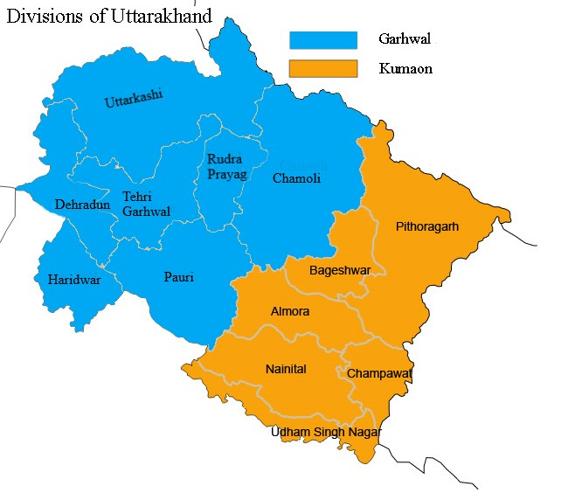
It is one of the largest and most famous religious yatras of the Kumaon and Garhwal regions of Uttarakhand.
It is celebrated in the Nanda Devi temples across these regions and symbolises the Devi's journey from her parents' home (maiti) to her husband's home — a tradition beautifully expressed in the folk songs of Uttarakhand.
The Gonds are a tribal community primarily found in central India (Madhya Pradesh, Chhattisgarh, Maharashtra).
Pair 3 is incorrectly matched:
Wari (also called Pandharpur Wari) is NOT associated with the Santhals.
It is an annual pilgrimage to Pandharpur in Maharashtra — the seat of the god Vithoba — undertaken by the Warkari sect.
Palakhis (palanquins) carrying the padukas (footprints) of saints like Dnyaneshwar and Tukaram are taken from their respective shrines to Pandharpur.
The Santhals are a tribal community found mainly in Jharkhand, West Bengal, and Odisha.
So only Pair 1 is correctly matched.
UPSC tests specific community-festival connections to check if students can distinguish between similar-sounding traditions and avoid geographic confusion.
The question tests knowledge of three distinct cultural regions: Sindhi diaspora traditions, Uttarakhand hill pilgrimage culture, and Maharashtra's Varkari sect devotional practices.
Chaliha Sahib Festival & Sindhi Traditions
Art And Culture Chaliha Sahib Festival Sindhis
Chaliha Sahib Festival: Sindhi Community's 40-Day Religious Observance
Chaliha Sahib Festival is celebrated by the Sindhi community with a 40-day fast
Devotees fast in honour of Jhulelal, the patron saint of Sindhis
Chaliha literally means forty in reference to the 40-day duration
Festival Overview
Chaliha Sahib Festival is a major religious observance of the Sindhi community, involving a 40-day fast dedicated to Jhulelal, their patron saint. The term chaliha directly translates to forty, marking the duration of this spiritual discipline.
Key Features
Devotees observe a strict 40-day fast during the festival period
Jhulelal is revered as the patron saint and protector of the Sindhi community
The festival represents spiritual purification and devotion
Sindhis worldwide participate in this religious observance
Question Context
This was the only correctly matched pair in the 2017 UPSC question. UPSC tested knowledge of community-specific festivals, requiring precise understanding of which traditions belong to which communities.
Don't confuse Chaliha Sahib with other 40-day religious observances in different communities
Remember Jhulelal specifically as the Sindhi patron saint - not associated with other communities
Nanda Raj Jaat Yatra of Uttarakhand
Art And Culture Nanda Raj Jaat Yatra Gonds
Nanda Raj Jaat Yatra: Uttarakhand's Great Pilgrimage to Nanda Devi
Nanda Raj Jaat Yatra belongs to Kumaon and Garhwal regions of Uttarakhand, NOT Gonds
One of the largest religious yatras in the Himalayan region
Celebrated at Nanda Devi temples across Uttarakhand
Symbolizes the Devi's journey from maiti (parents' home) to husband's home
Geographic Context
Nanda Raj Jaat Yatra is one of the most significant religious pilgrimages of the Kumaon and Garhwal regions in Uttarakhand. This has absolutely no connection to the Gonds, who are a tribal community of central India.
Yatra Characteristics
Celebrated across Nanda Devi temples in Uttarakhand's hill regions
Represents the goddess's journey from maiti (parental home) to her husband's home
Deeply embedded in Uttarakhand's folk culture and traditional songs
One of the largest and most famous religious processions in the Himalayas
Regional Context
Source: My Uttarakhand — My Uttarakhand · www.visitmyuttarakhand.com
Question Context
UPSC incorrectly paired this Uttarakhand tradition with Gonds (central Indian tribals). This tested geographical knowledge of where different cultural traditions belong.
Never associate Nanda Raj Jaat with Gonds - it belongs to Uttarakhand hill communities
Don't confuse Gonds (central India tribals) with Himalayan cultural traditions
Wari-Warkari Tradition of Maharashtra
Art And Culture Wari-Warkari Santhals
Wari-Warkari: Maharashtra's Annual Pilgrimage to Pandharpur
Wari is an annual pilgrimage to Pandharpur in Maharashtra, NOT associated with Santhals
Undertaken by the Warkari sect devoted to Lord Vithoba
Palakhis carry padukas (footprints) of saints like Dnyaneshwar and Tukaram
Santhals are a tribal community of Jharkhand, West Bengal, and Odisha
Pilgrimage Overview
Wari (also called Pandharpur Wari) is Maharashtra's most famous annual pilgrimage to Pandharpur, the seat of Lord Vithoba. This tradition belongs to the Warkari sect, not the Santhals who are an eastern Indian tribal community.
Wari Components
Element | Description | Significance |
|---|---|---|
Pandharpur | Pilgrimage destination in Maharashtra | Seat of Lord Vithoba |
Warkari Sect | Devotees who undertake the pilgrimage | Followers of Vithoba tradition |
Palakhis | Ceremonial palanquins | Carry sacred padukas of saints |
Padukas | Footprints of saints | Dnyaneshwar and Tukaram are most revered |
Cultural Significance
Represents Maharashtra's devotional (bhakti) tradition
Saints' padukas are carried from their respective shrines to Pandharpur
Involves lakhs of pilgrims walking together in organized processions
Central to Marathi religious and cultural identity
Question Context
UPSC incorrectly paired this Maharashtra tradition with Santhals (tribal community of eastern India). This tested knowledge of regional cultural practices versus tribal communities.
Never associate Wari with Santhals - it's a Maharashtra Warkari tradition
Don't confuse Santhals (Jharkhand/Bengal tribals) with Maharashtra devotional sects
Remember Vithoba is specifically the Pandharpur deity, not a tribal god
Gond Tribal Community
Art And Culture Gonds
Gond Tribe: Central India's Largest Tribal Community
Gonds are a major tribal community of central India, not associated with Uttarakhand traditions
Primarily found in Madhya Pradesh, Chhattisgarh, and Maharashtra
One of India's largest tribal groups by population
Geographic Distribution
The Gonds are one of India's largest tribal communities, concentrated in central India. They have no cultural connection to Himalayan traditions like Nanda Raj Jaat Yatra.
Gond Distribution
State | Concentration | Cultural Features |
|---|---|---|
Madhya Pradesh | Highest population | Traditional heartland |
Chhattisgarh | Significant presence | Forest-based lifestyle |
Maharashtra | Eastern regions | Vidarbha area |
Odisha | Some presence | Border regions |
Cultural Characteristics
Traditionally forest-dwelling community with nature-based practices
Rich oral traditions and tribal art forms
Distinct from Himalayan or Maharashtra devotional traditions
Have their own tribal festivals and customs separate from mainstream Hindu traditions
Don't associate Gonds with Uttarakhand - they belong to central India
Gonds have tribal traditions, not Hindu pilgrimage practices like Nanda Raj Jaat
Santhal Tribal Community
Art And Culture Santhals
Santhal Tribe: Eastern India's Major Tribal Community
Santhals are a tribal community of eastern India, not associated with Maharashtra traditions
Mainly found in Jharkhand, West Bengal, and Odisha
Have distinct tribal religious practices, not Hindu devotional traditions
Geographic Distribution
The Santhals are a major tribal community of eastern India, with no connection to Maharashtra's Warkari tradition. They maintain distinct tribal cultural practices.
Santhal Distribution
State | Concentration | Key Features |
|---|---|---|
Jharkhand | Highest population | Traditional homeland |
West Bengal | Significant presence | Birbhum, Bankura districts |
Odisha | Notable population | Mayurbhanj district |
Bihar | Some presence | Border regions |
Cultural Identity
Follow tribal religious traditions, not Hindu devotional practices
Have their own Santali language and cultural festivals
Known for the historic Santhal Rebellion (1855-56) against British rule
Distinct from Maharashtra Warkari sect and Vithoba worship
Never associate Santhals with Wari-Warkari - they're from eastern India, not Maharashtra
Santhals follow tribal traditions, not Hindu pilgrimage practices to Pandharpur